
Selecting the right Personal Protective Equipment (PPE) means matching certified gear to your specific workplace hazards and ensuring it meets UAE compliance standards.
1. Assess Your Hazards First
Identify what your workers face — chemicals, dust, noise, falling objects, heat, or sharp tools — and note how often and where exposure happens.
2. Match PPE to Each Risk
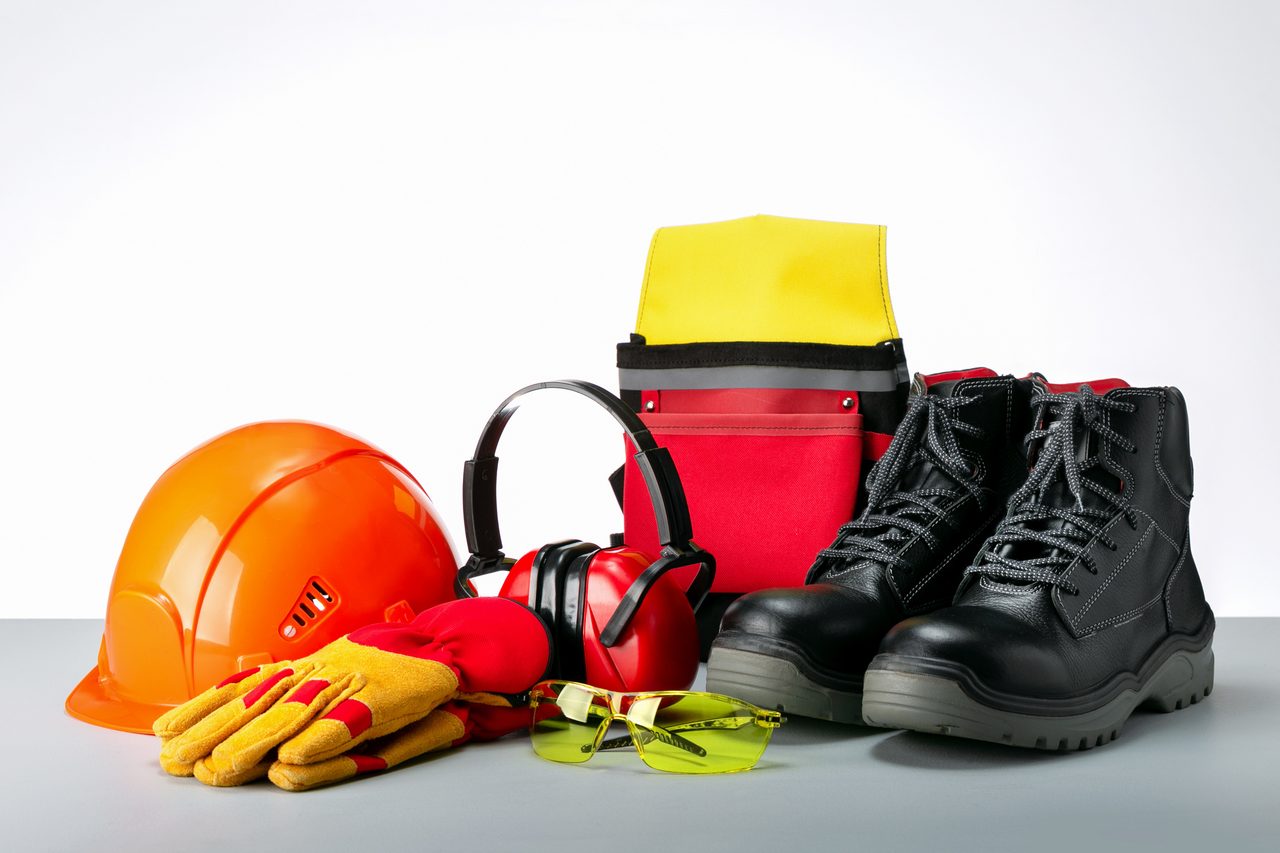
- Head: Helmets for impact and penetration risks.
- Eyes/Face: Glasses, goggles, or face shields for splashes, dust, or impact.
- Respiratory: Masks or respirators with the correct filters for dust, fumes, and vapours.
- Hands: Gloves rated for cut, chemical, heat, or abrasion as needed.
- Hearing: Earplugs or earmuffs based on noise levels.
- Body/Feet: High-vis vests, flame-resistant wear, and chemical suits; safety boots with slip, puncture, and electrical ratings.
3. Check UAE and Industry Compliance
Choose products with recognized certifications (e.g., CE, ANSI, NIOSH) and follow guidance from UAE authorities like Dubai Municipality and Sharjah SPA for sector-specific rules. Keep certification records and display clear PPE signage on site.
4. Ensure Fit and Comfort
PPE must fit well and be comfortable enough for all-day use; involve workers in trials to improve acceptance. Check that components — helmet, goggles, respirator — work together without gaps.
5. Train, Maintain, Replace
Train staff on correct use, inspection, cleaning, and storage. Replace worn or contaminated items per manufacturer guidance, and reassess PPE whenever tasks or environments change.